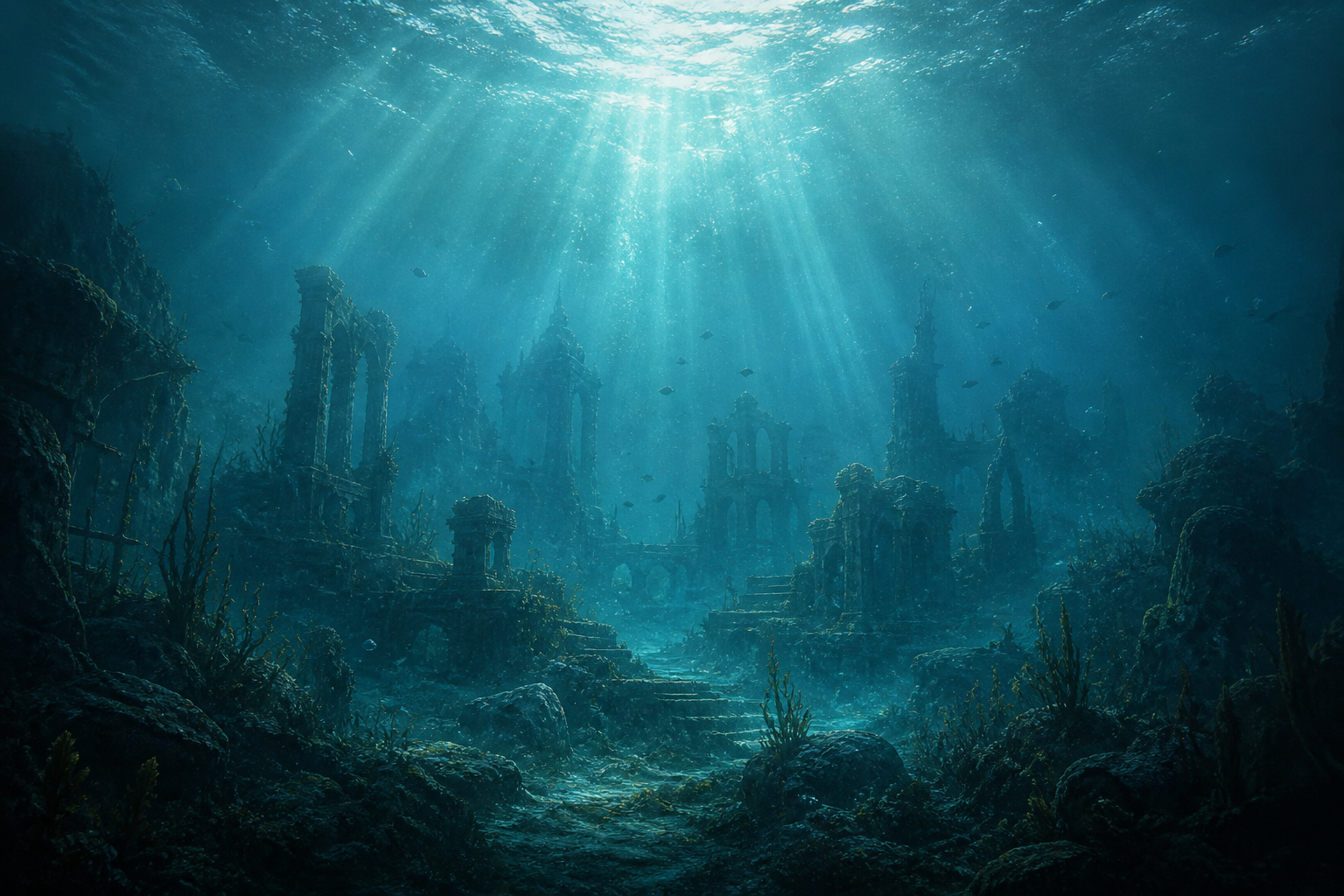
In Irish mythology, the Otherworld is not found only beyond the horizon or on islands wrapped in mist.
Sometimes… it lies beneath the surface.
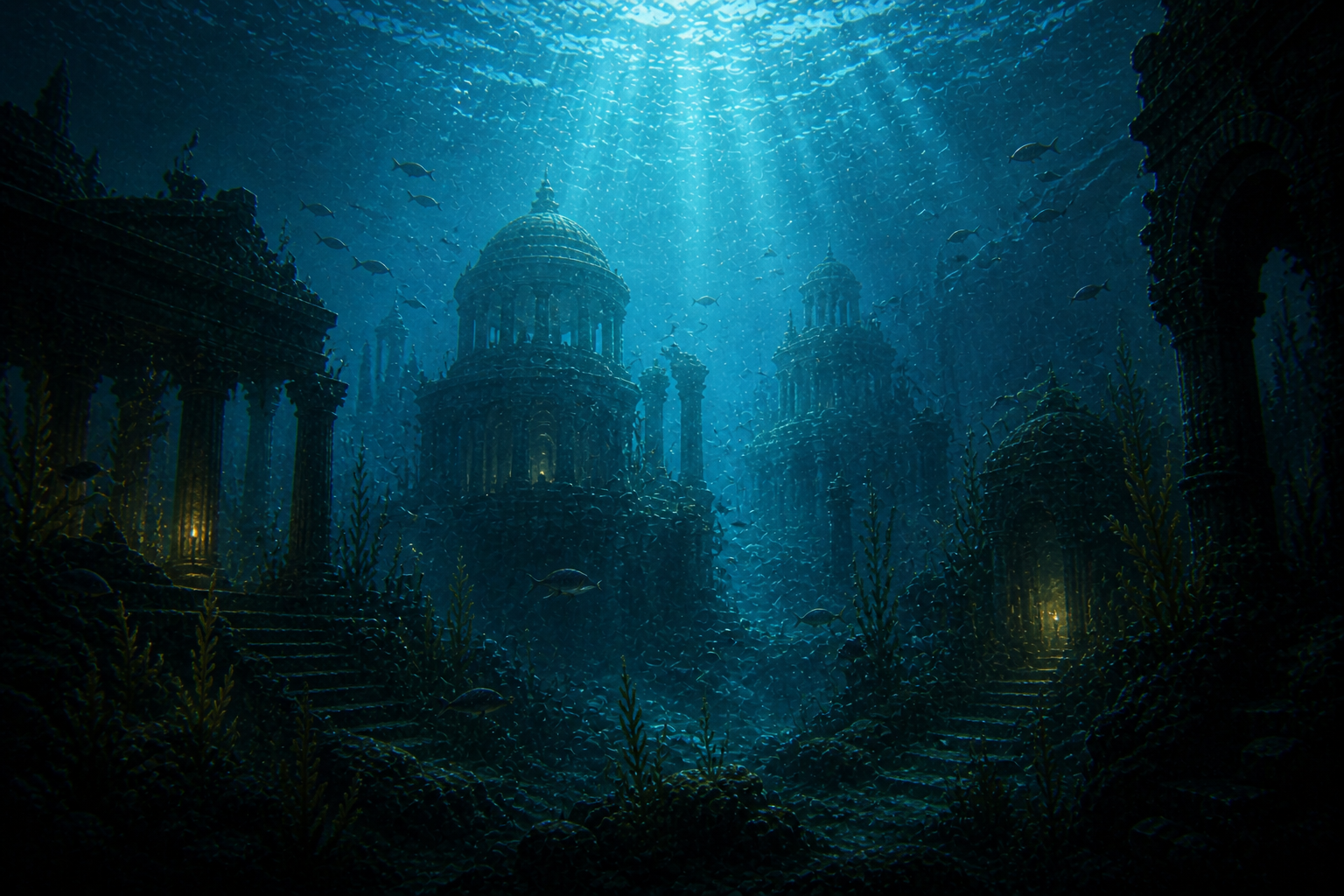
That place isThat place is Tír fo Thuinn, whose name means: “The Land Beneath the Waves.”.
A submerged Otherworld
Tír fo Thuinn is not a dark ocean or a hostile abyss. It is a realm.
A hidden world beneath the sea where, according to tradition, beings of the Otherworld dwell.
In some sources, this domain is associated with figures such as Manannán mac Lir, deity of the sea and guardian of the boundaries between worlds.
Although detailed descriptions are rare, Celtic concepts of the Otherworld imagine complete kingdoms beneath the waters: halls, feasts, wealth… life.
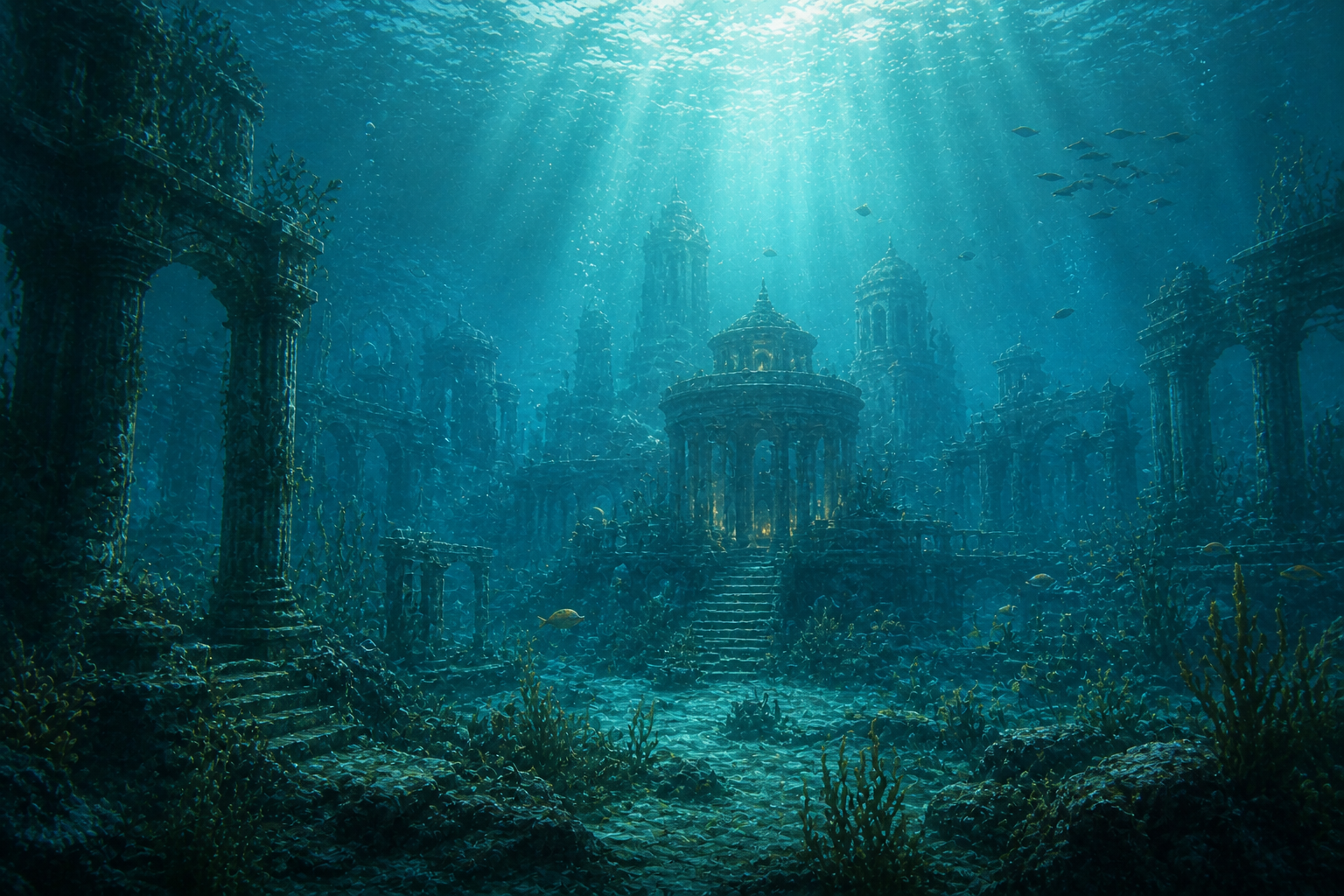
Tír fo Thuinn appears in medieval texts (8th–12th centuries), preserved by monks, although it likely reflects much older beliefs from Celtic oral tradition.
Beyond the surface
For the Celts, the sea was not merely a physical space.
It was a frontier.
A surface separating the visible from the invisible..
Tír fo Thuinn represents what remains hidden beneath that boundary:
- the unknown
- the deep
- the unreachable
But also:
- the ancient
- the preserved
- the eternal
Inhabitants of the submerged world
Different beings connected to the sea are said to dwell within this realm:
- fairy beings
- water spirits
- figures such as the merrow (Sirens mermaids)
- The selkies (shape-shifting sea beings)
- and, in some traditions, even the Aos Sí themselves
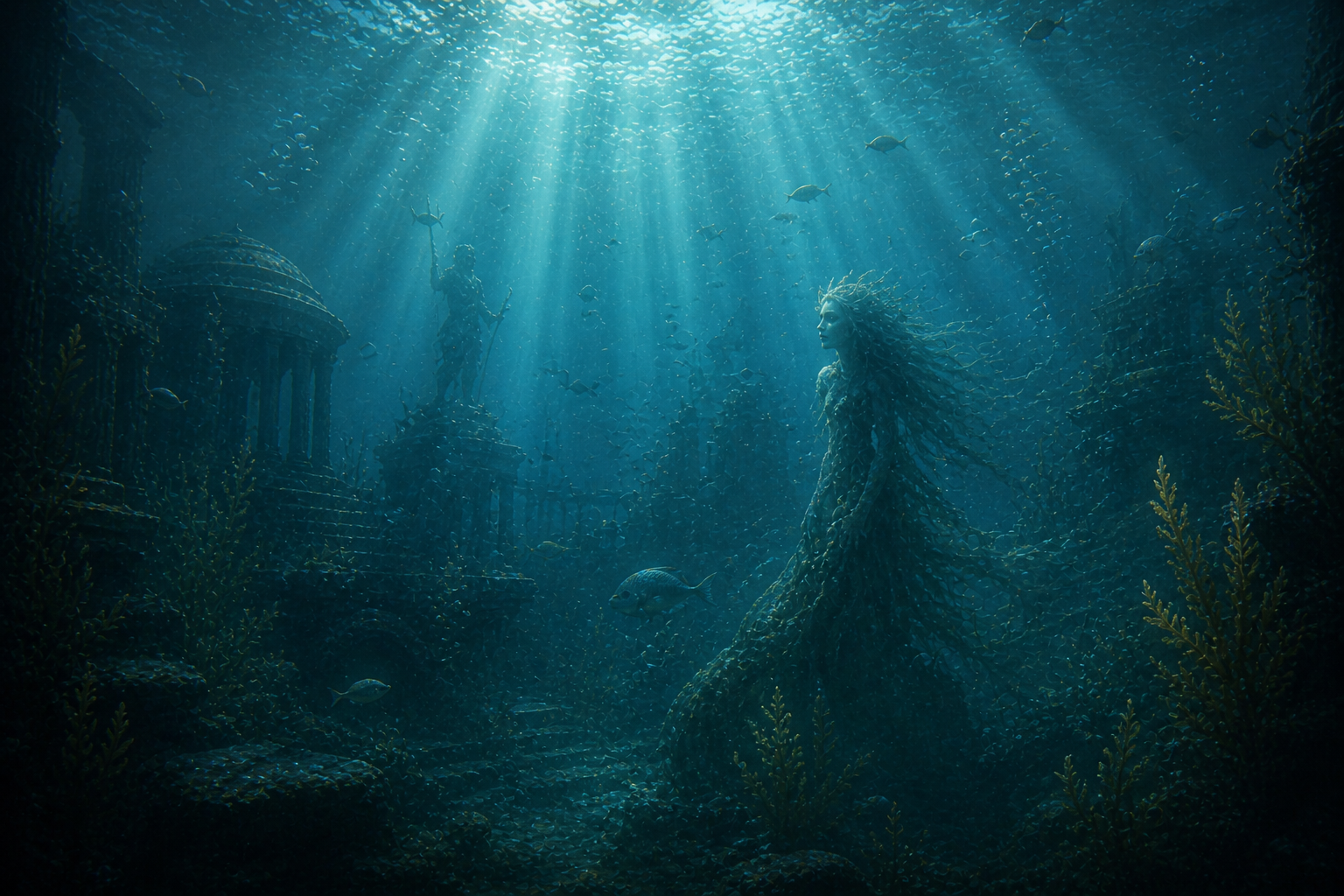
Not all of these beings are hostile.
But none of them fully belong to the human world.
The sea as a portal
In many stories, the sea acts as a place of transition.
Not only toward distant islands… but toward hidden realities.
Tír fo Thuinn is not always a visible destination.
Sometimes it is reached:
- after a storm
- through an encounter
- or by means of a journey from which not everyone returns
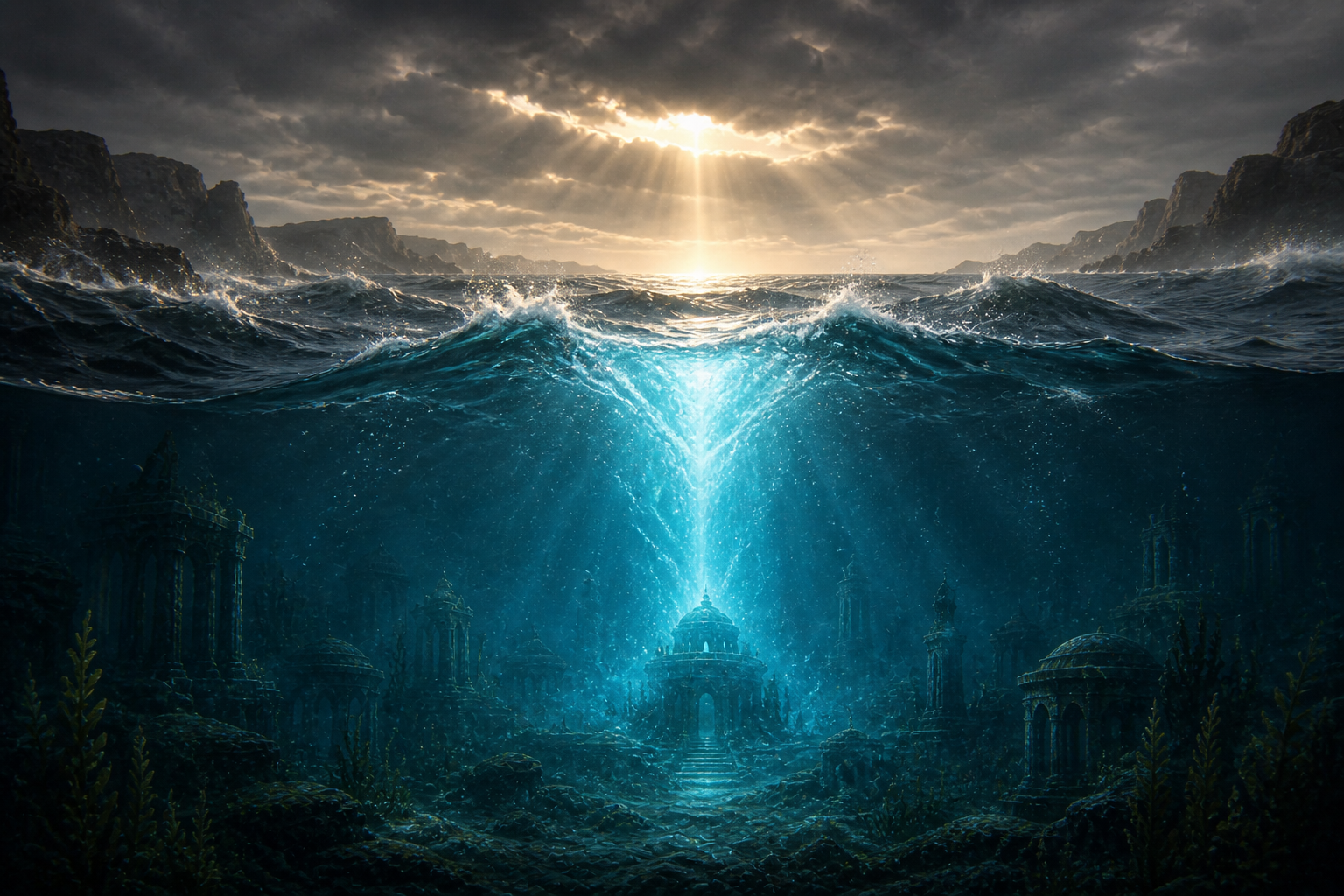
An ambiguous realm
Unlike Tír na nÓg, often described as a paradise of youth and happiness, Tír fo Thuinn is more ambiguous.
It may be:
- a place of beauty
- a kingdom of abundance
- or a realm of loss
The sea, like the Otherworld itself, is neither benevolent nor evil.
It changes.
Between two realities
Tír fo Thuinn reminds us of something essential within Celtic cosmology: The Otherworld does not exist in a single place.
It may appear:
- on an island
- within a hill
- or beneath the water
It is not about where it is…but how it reveals itself.
Beneath the waves
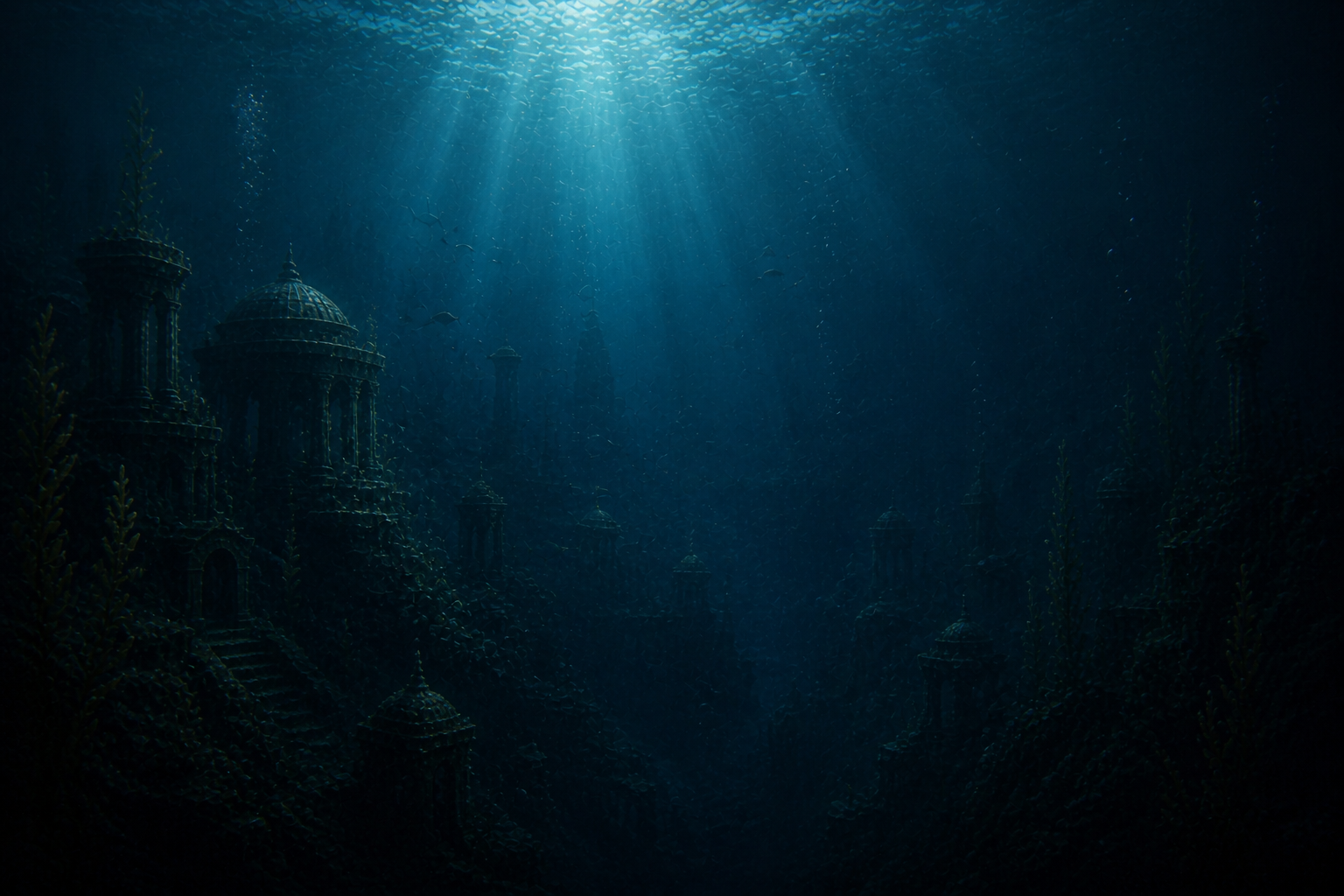
Beneath the waves, where the light dissolves and the world becomes silent, the Celts imagined a realm that never disappears… it only hides.
A place where the ancient remains untouched, waiting beyond the surface.
Because sometimes… the unknown is not found by looking toward the horizon.
Sometimes… it is enough to look down.