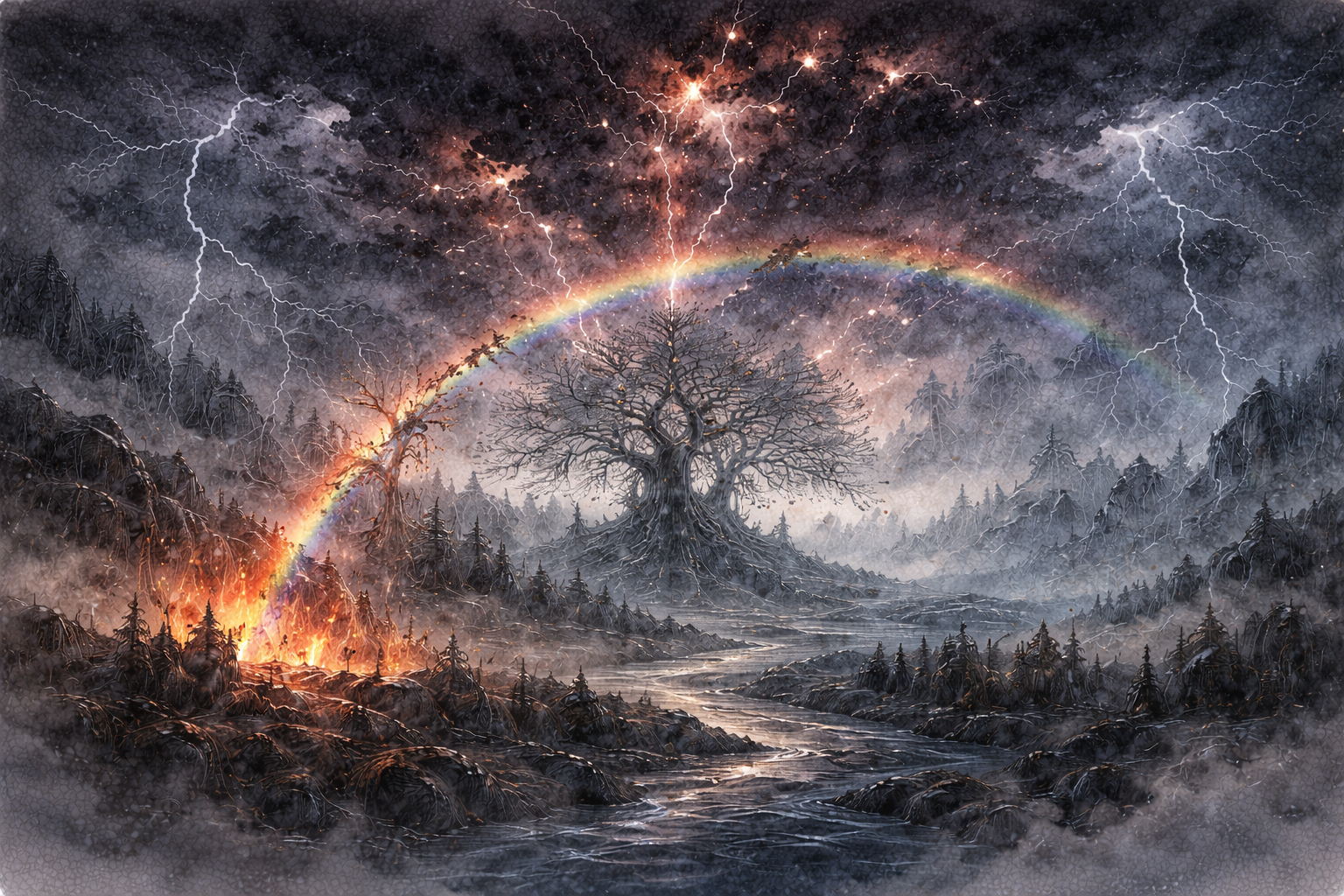
In Norse mythology, incluso los dioses tienen un final. Ragnarök representa el destino inevitable del cosmos: la batalla final en la que los dioses, gigantes y criaturas primordiales destruirán el mundo…para que uno nuevo pueda surgir.
For the peoples of the North, the universe did not conclude in final extinction, but in an eternal cycle where every death contained the seed of new creation.
What is Ragnarök?
The word Ragnarök is commonly translated as: “The Fate of the Gods.”
It is not a moral apocalypse, nor a divine punishment.
Ragnarök represents the inevitable culmination of the norse cosmos:
- The confrontation between opposing forces
- The rupture of universal balance
- The fall even of the divine powers
It is, in essence, the moment when the universe fulfills its destiny.
An End Already Written
Within the Norse worldview, Ragnarök does not arise by accident. It is woven into existence from the beginning of time.
The Norns, weavers of fate, had already marked the outcome of the cosmos.
Not even Odin, the Allfather, can prevent it.
Not Thor, the mightiest of warrior gods.
Not even Asgard remains untouched.
Nothing escapes destiny.
Not men.
Not gods.
Signs of the Collapse
Before Ragnarök, the universe begins to slowly unravel.
Myth describes a sequence of events announcing the end of the cycle:
- Fimbulvetr— the great winter, three seasons without summer
- Hunger, chaos, and wars among humankind
- The breakdown of social bonds
- Disorder across the Nine Worlds
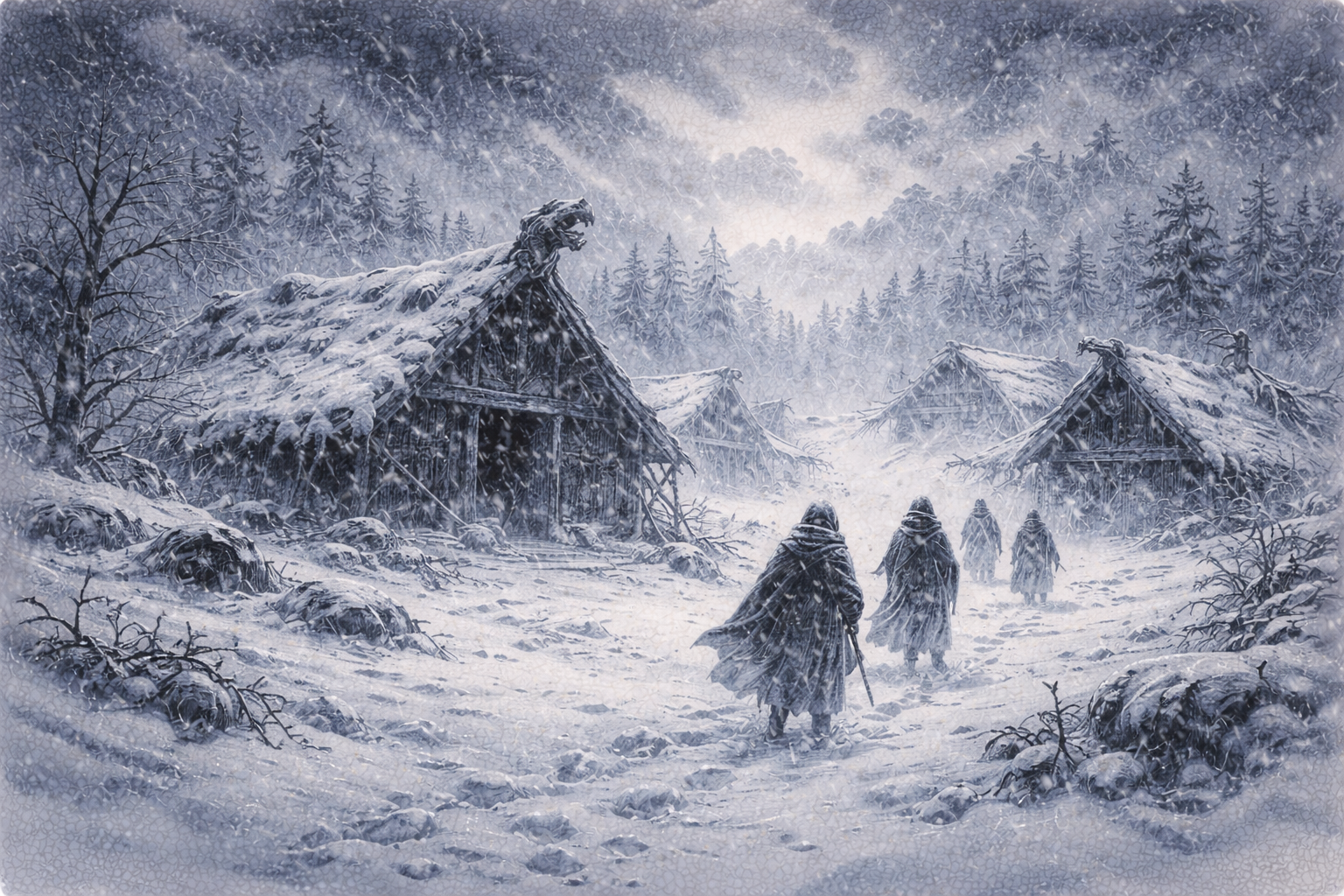
Contained forces begin to break free..
Balance fractures
The Release of Chaotic Forces
During Ragnarök, the great entities of chaos shatter their restraints:
- Fenrir, the wolf destined to destroy Odin
- Jörmungandr, the World Serpent
- Loki, freed from his punishment
- The giants and primordial hosts
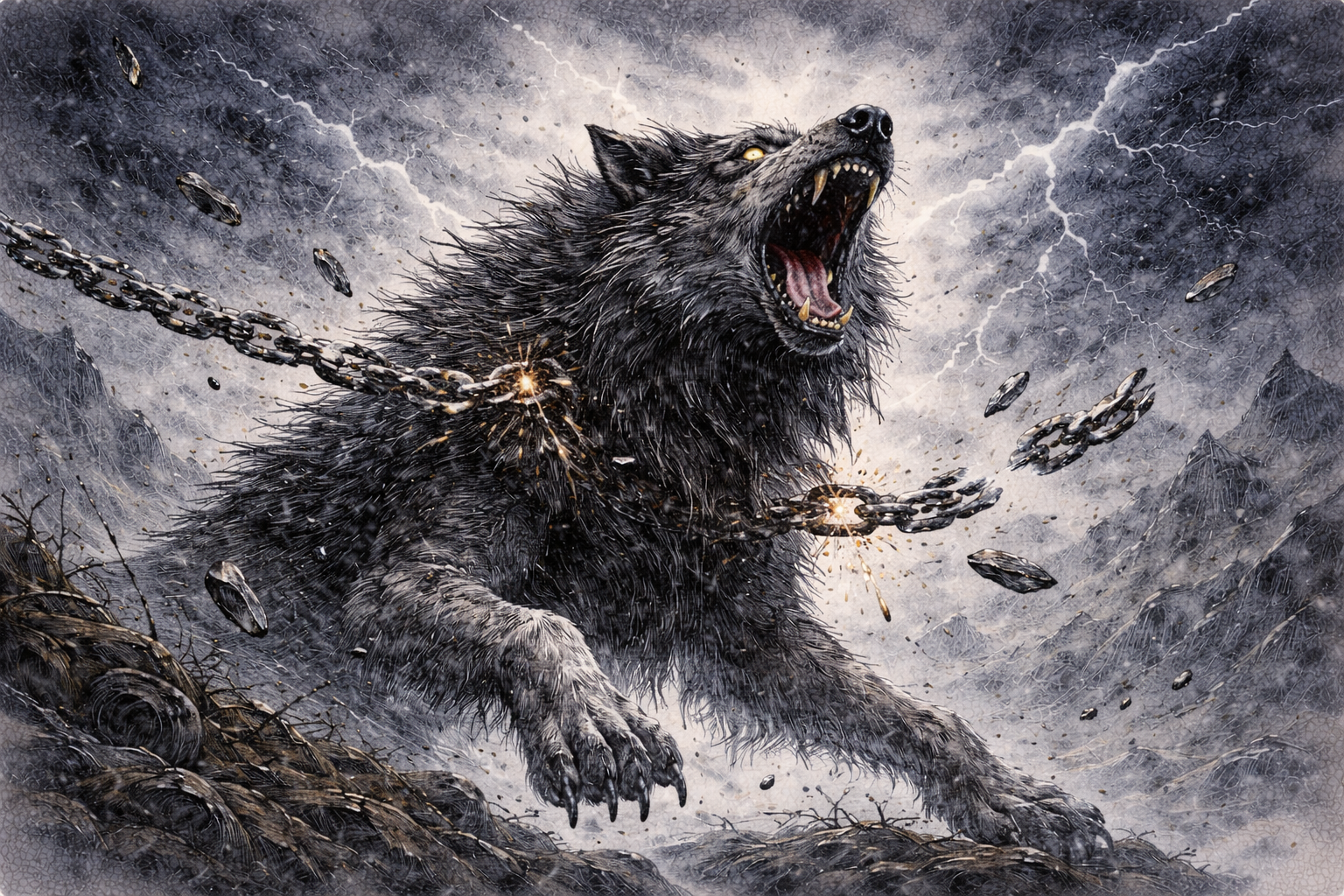
Divine order can no longer contain what was delayed, but never erased.
The final conflict is a cosmic debt.
The Inevable Confrontation
Gods, giants, and primordial beings collide in a devastating battle.
It is not merely war, but the clash of essential forces:
- Creation and destruction
- Order and chaos
- Life and dissolution
Great figures fall.
Ancient enemies meet.
The cosmos itself convulses.
The Fire that Consumes the World
The fire giant Surtr advances from Muspelheim.
His flame signifies not only destruction, but purification.
The world burns. The heavens collapse. The earth sinks into the ocean.
All that was built returns to the primordial state.
The Rebirth of the Cosmos
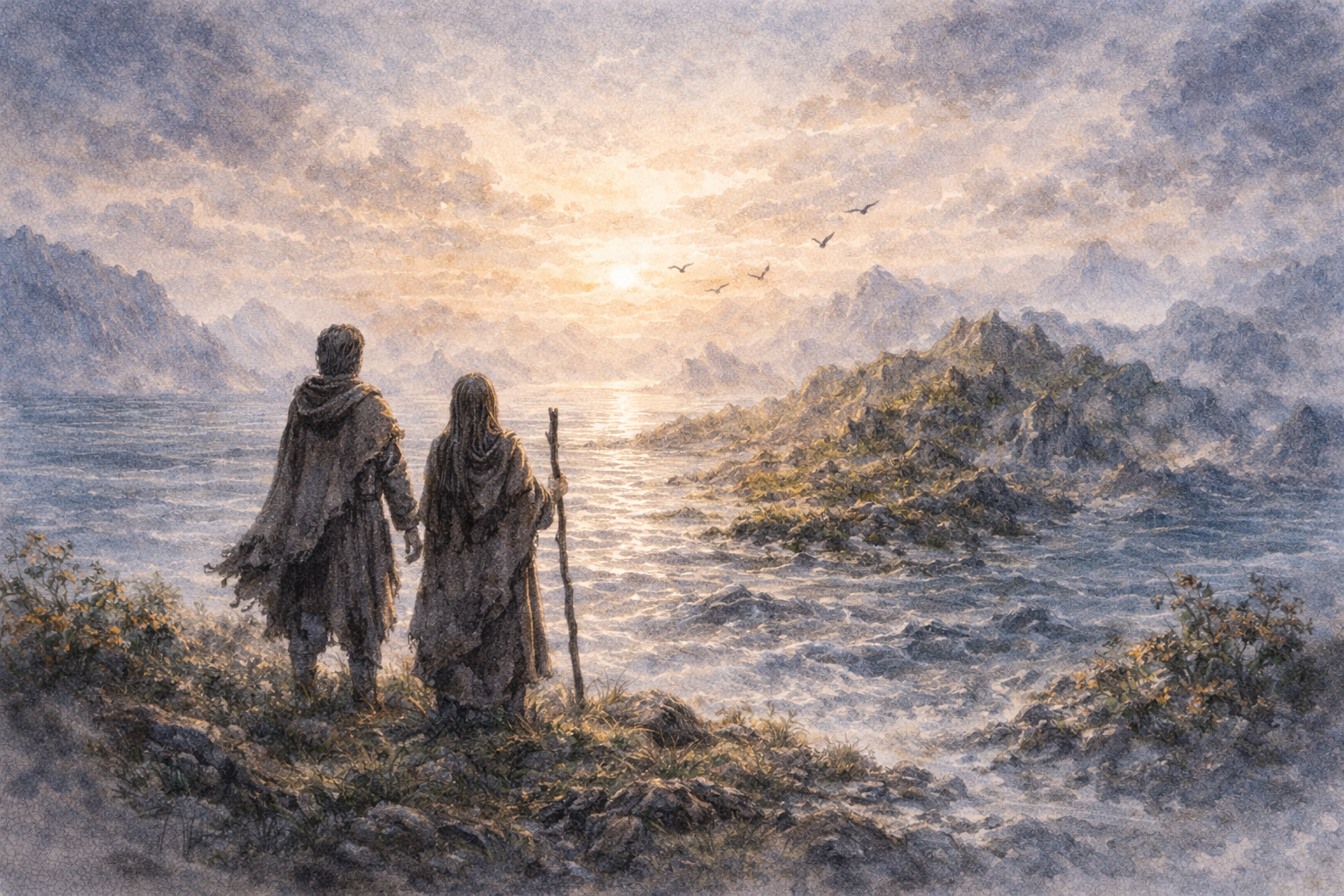
Then, after devastation, life returns.
Norse mythology does not end in total annihilation.
It speaks of a new dawn:
- The earth rises once more from the sea
- The fields become fertile again
- Some gods survive
- A renewed humanity emerges
Ragnarök is not an absolute end.
It is a transition.
The Deeper Meaning of the Myth
For the Norse peoples, this was more than a story.
It was a way of understanding existence.
The universe was not eternal and immutable. It was cyclical:
- Everything is born
- Everything dies
- Even the gods
A Cycle That Never Breaks
Ragnarök embodies one of the most powerful ideas of ancient thought: Destruction is not the opposite of life.
It is part of its continuity.
Nothing endures forever.
Nothing truly vanishes.
The cosmos, like nature itself, breathes in cycles