Gods have occuied a central place in the beliefs and mythologies of civilizations throughout history. For ancient peoples, these divine figures did not only represent forces of nature or cosmic principles, but also human values, fears, and aspiratons.
From the gods of Olympus in ancient Greece to the powerful deities of the Norse, Egyptian, or Mesoamerican traditions, each culture built its own sacred universe, populated by divine figures with unique stories, symbols, and roles.
In this section we explore some of the most fascinating gods of the ancient world, their myths, their place within each tradition, and the cultural legacy they left behind.
Through these stories we can better understand how past civilizations tried to comprehend the world, explain its mysteries, and give meaning to human life.
Guía de Dioses
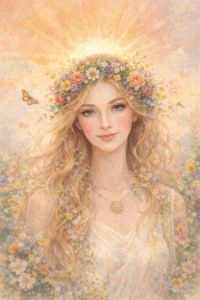
- Ostara: The Germanic Goddess and the Awakening of Spring
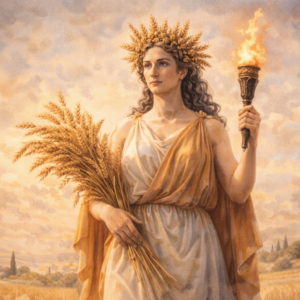
- Ceres: Roman goddess of harvest and the people
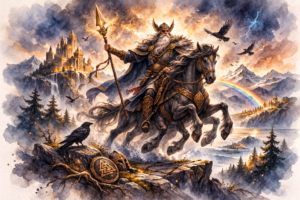
- Odín. El Padre de Todos. Rey de los Æsir y señor de Asgard.
-
Odin. The All-Father. King of the Æsir and lord of Asgard
Odin (Óðinn in Old Norse) is the central figure of the Scandinavian pantheon. In medieval Icelandic sources—primarily the Poetic Edda and the Prose Edda...
-
Ceres: Roman goddess of harvest and the people
Ceres was the goddess of agriculture, grain, and the fertility of the land. Her cult was deeply connected...
-
Ostara: The Germanic Goddess and the Awakening of Spring
Ēostre, or Ostara, was a divinity of the Germanic world associated with dawn and the renewal of spring. Although she does not belong to...